
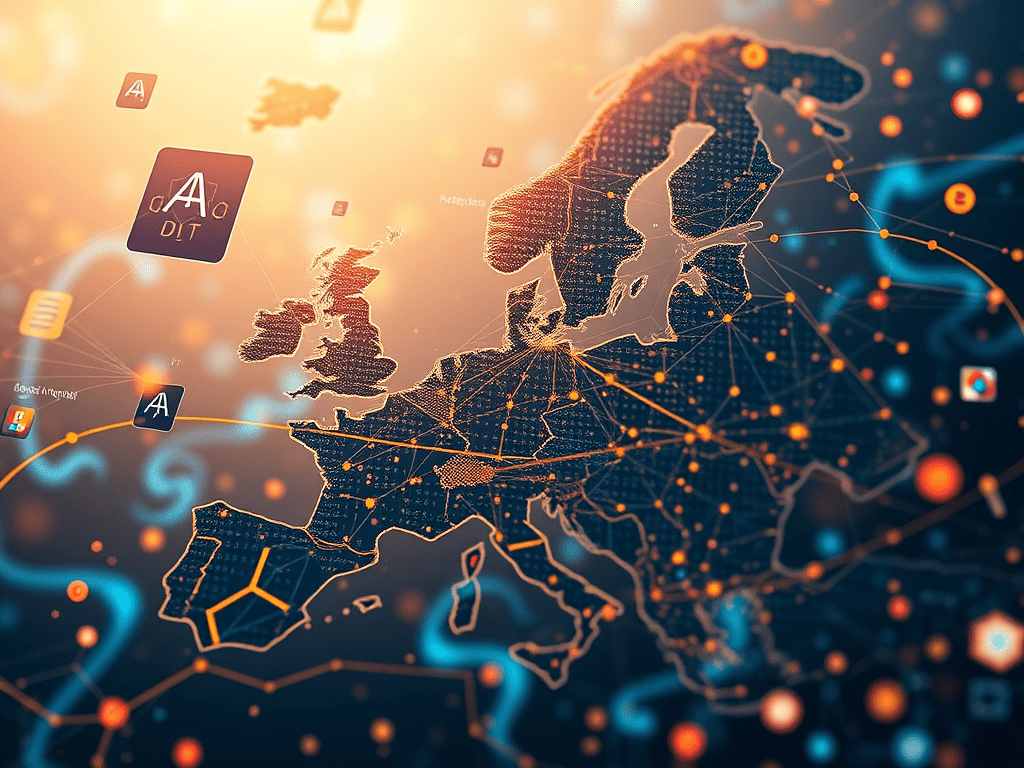
When the EU’s Artificial Intelligence Act entered into force in August 2024, it was hailed as the world’s strictest AI law. Almost two years later, Europe has already agreed to change it.
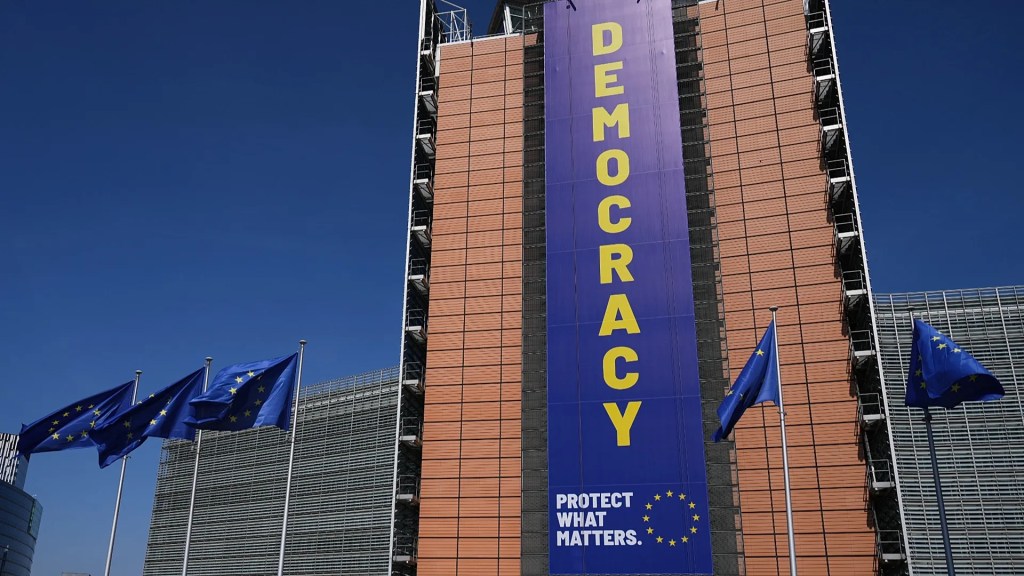
On May 7, EU governments and European Parliament lawmakers struck a deal on the so-called “AI omnibus”, a package of targeted amendments within a broader digital simplification drive. The goal is to cut red tape, fix overlapping rules, and give businesses more breathing room without dismantling the law’s core risk-based logic.
The result is a retooled rulebook that extends deadlines, narrows obligations, and reshapes how the EU’s most ambitious digital legislation will be enforced. Whether it is smart course-correction or quiet deregulation depends on who you ask.
What changed?
The most immediate impact is time. High-risk AI systems under Annex 3 of the AI Act, covering employment, education, and health insurance, now face a compliance deadline of December 2, 2027, delayed from summer 2026. AI embedded in physical products like medical devices or industrial machinery gets more time, with obligations delayed until August 2028.
[Comment]:
The greatest obstacle to the EU’s legislative efforts in the field of AI lies in the fact that the vast majority of its lawmakers lack a concrete understanding of the specific technologies underpinning large-scale AI models. This is because the world’s top 10 AI companies are predominantly based in the United States and China—with the sole exception of the French firm Mistral AI (which, even then, relies primarily on innovation built upon open-source foundations). Consequently, this signifies that the EU’s capacity for original innovation in AI has effectively vanished. Of course, regarding the AI Act, progress had already been made prior to the emergence of ChatGPT in 2022 concerning issues such as AI robustness, safety, and intellectual property protection—including assessments of AI’s potential to cause harm to humans. These risk- and safety-oriented concerns align perfectly with the typical scope of work undertaken by the European Commission. However, the EU is increasingly beginning to resemble an elderly person going through menopause: it appears oblivious to the actual state of its own physical health—specifically, the level of innovative vitality within its corporate sector—while instead excessively tightening legislative controls related to safety and risk management. On the surface, these measures appear to be aimed at companies in China and the United States—particularly American internet giants. Yet, in reality, the greatest harm is being inflicted upon the EU’s own local small and medium-sized enterprises (SMEs).




 ZHIDAO.blog
Leave a comment